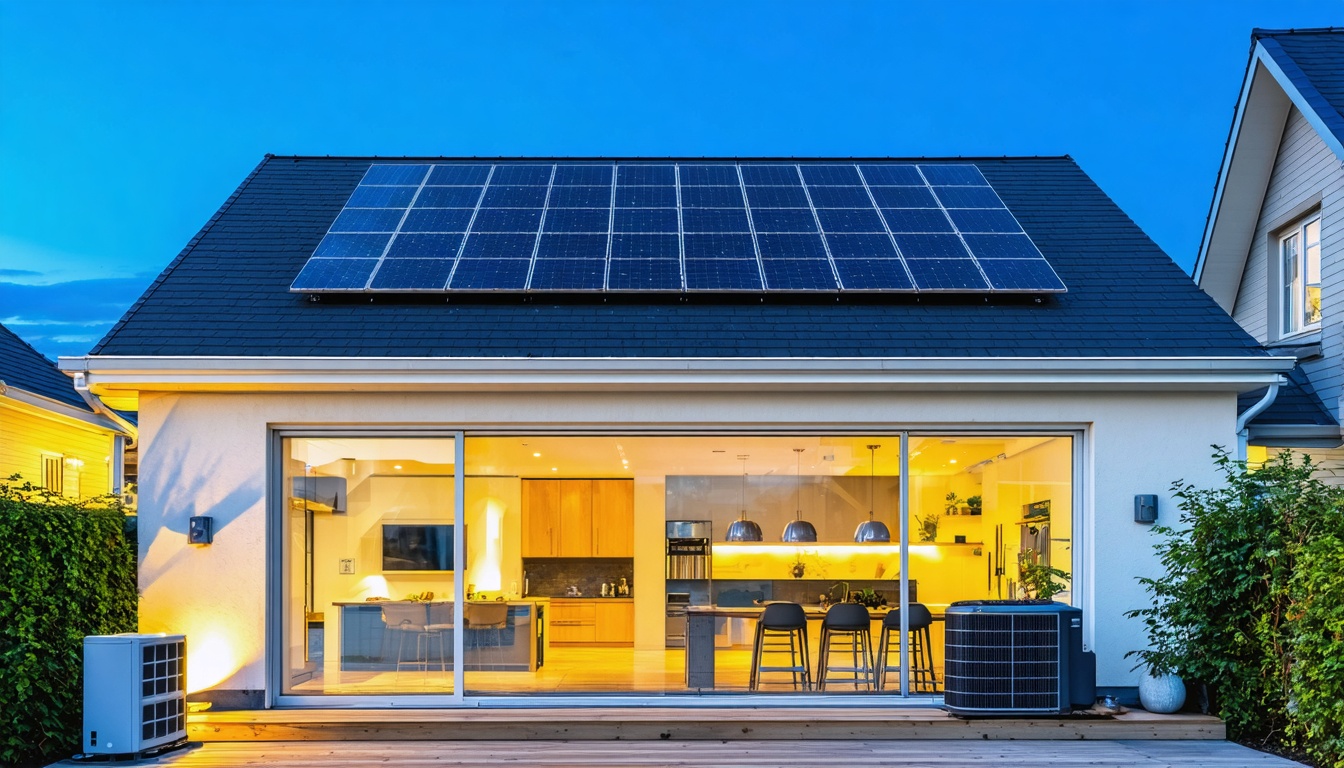
Home Energy Efficiency Improvements That Complement Solar Power
Investing in solar panels is a significant step toward reducing utility bills, but maximizing the benefits of solar power often requires additional energy efficiency improvements within the home. Enhancing insulation can prevent heat loss in the winter and reduce the need for heating, while upgrading to energy-efficient windows can minimize heat gain during the summer and further reduce energy consumption. Selecting appliances that are energy-efficient can also contribute to lower electricity usage, complementing the energy produced by solar panels. Incorporating these energy-efficient measures can lead to a more optimized energy profile in the home. Improved insulation, for instance, not only maintains comfort year-round but also reduces the overall energy demand, which allows homeowners to make the most of their solar energy system's output. Similarly, energy-efficient windows help manage indoor climate more effectively, which can further decrease reliance on electrical heating and cooling systems. The integration of energy-efficient appliances, such as those with Energy Star ratings, can significantly lower energy consumption compared to standard models. These appliances are designed to use energy more effectively, thus increasing the economic and environmental advantages of having solar power installed. In summary, while solar panels provide a renewable source of energy, their effectiveness can be enhanced through a variety of home energy efficiency improvements. These strategies not only optimize the use of solar energy but also contribute to overall reductions in energy costs.
Maximizing Energy Savings Through Insulation and Air Sealing
Investing in solar panels can contribute to sustainable energy consumption, but their effectiveness is enhanced when a home’s insulation and air sealing are properly managed.
Improved air sealing and added insulation can reduce heat loss, leading to increased energy efficiency. This is particularly relevant for homeowners and businesses in New York, where implementing these measures can result in lower electricity bills.
When insulation and air sealing are optimized, the energy generated by solar panels is utilized more effectively, which in turn reduces waste associated with appliances, water heaters, and heat pump systems.
Recent federal tax incentives and local programs, such as the Solar Tax Credit Guidance in Connecticut, are designed to make these upgrades more affordable for residents.
By prioritizing insulation and air sealing, homeowners can potentially lower their energy costs and improve indoor air quality, while also contributing to a reduction in their overall carbon footprint.
Additionally, these improvements may enhance a property's value, offering both economic and environmental advantages.
Upgrading Windows and Doors to Minimize Energy Loss
Upgrading windows and doors can significantly improve a home's energy efficiency, especially when complemented by the installation of solar panel systems. High-efficiency windows, particularly those featuring low-emissivity (Low-E) coatings, have the potential to reduce energy loss by approximately 50%, which corresponds to the energy savings anticipated from solar panel installations. This combination may result in reduced electricity costs.
Recent developments in insulated doors also play a critical role in minimizing heat loss, thus improving indoor comfort levels. In various regions, including New York, homeowners may take advantage of government programs that offer financial incentives and tax benefits for conducting energy efficiency upgrades, which can help lower overall project costs.
Additionally, integrating smart technologies, like Smart Thermostats, can optimize energy use within the home, further enhancing efficiency. When selecting windows and doors, opting for products that carry the National Fenestration Rating Council (NFRC) labels can ensure compliance with established energy efficiency standards.
In summary, undertaking these upgrades not only contributes to reduced dependence on fossil fuels but also aligns with environmental goals by lessening individual carbon footprints. This approach has the dual benefit of enhancing home comfort while supporting broader sustainability efforts.
Enhancing Home Water Heating and Cooking Efficiency
Improving the efficiency of water heating and cooking in residential settings can provide measurable benefits for homeowners. One effective approach is the installation of heat pump water heaters, which typically offers annual savings between $200 and $550. Programs such as the NYS Clean Heat initiative further support this transition by providing financial incentives to New Yorkers, potentially offsetting the initial costs associated with these upgrades.
Another method for enhancing kitchen efficiency is the use of induction stoves. These electric appliances function without combustion, which not only helps to improve indoor air quality but also minimizes heat loss in the kitchen.
Combining these energy-efficient solutions with solar panel installations can enhance overall home efficiency. This approach may lead to reduced electricity costs and a lower carbon footprint by decreasing reliance on fossil fuels.
Recent advancements in sustainable technologies have shown effectiveness in providing both residential and commercial entities with opportunities to achieve cost savings while mitigating their environmental impact.
By concentrating on established practices and technologies, homeowners can make decisions that are aligned with their energy efficiency objectives.
Implementing Water Conservation Measures
Addressing water usage within a home can enhance the efficiency of solar power systems while also contributing to reduced utility costs. The installation of WaterSense fixtures, such as low-flow showerheads, faucets, and toilets, is a pragmatic measure aimed at improving energy efficiency.
These fixtures have been shown to significantly decrease both water and energy consumption in residential and commercial properties throughout the United States.
Adopting these technologies can lead to lower electricity bills by reducing the demand for water heating, which in turn may lower one's overall carbon footprint.
Furthermore, incorporating efficiency upgrades, such as heat pump water heaters, can provide additional financial benefits and enhance indoor air quality.
In New York, programmatic support and incentives from Green Bank enable homeowners to capitalize on solar energy, potentially resulting in financial savings and an increase in property value.
Those seeking further information regarding sustainable water heater solutions may consider reaching out for more details.
Integrating Renewable Energy Solutions for Lasting Benefits
Integrating renewable energy solutions with efficiency improvements presents a comprehensive strategy for homeowners seeking long-term benefits. This approach facilitates a reduction in fossil fuel dependence and may lead to lower electricity expenses.
Key enhancements in this integration include solar panel installations alongside upgrades to windows, storm protection measures, heat loss sealing, and the use of energy-efficient appliances. Notable examples of these appliances are heat pumps, heat pump water heaters, and smart thermostats, all of which contribute to energy conservation.
In New York, several incentives and tax programs are offered to promote such investments in both residential and commercial sectors. Recent initiatives include the establishment of community solar programs, support from the New York Green Bank, and the introduction of savings calculator tools designed to assess potential energy savings.
These resources are beneficial for homeowners and businesses as they explore the available energy solutions within a dynamic market.
Conclusion
Enhancing the energy efficiency of your home is a practical approach that complements the functionality of a solar power system. Key improvements include upgrading insulation to minimize heat loss, replacing old windows with energy-efficient models, selecting appliances that meet efficiency standards, and implementing smart home technologies that optimize energy use. These modifications can contribute to reduced energy consumption, thus lowering utility bills and increasing overall comfort within the home. From an economic perspective, increasing energy efficiency can lead to significant long-term savings. By decreasing reliance on energy sources, homeowners can maximize the return on investment from their solar installations. Additionally, reduced energy demand mitigates strain on the energy grid, aligning with broader efforts to promote sustainability and minimize one's carbon footprint. Overall, integrating energy-efficient upgrades with solar power not only enhances home performance but also fosters an environmentally responsible living space. This strategic combination is increasingly recognized as a viable means to achieve both economic benefits and environmental stewardship.